
The Quiet Weight of Caring for Someone You Love

There's a particular kind of tiredness that doesn't show up on a doctor's chart. It's the weariness of waking up early to check on your dad, then being at your desk by 8 am. It's the mental math of figuring out whether you can afford this month's medications before you can afford your own groceries.
It's the remorse of realizing you haven't eaten a proper meal in three days because every spare moment has been spent on someone else's needs.
If any of that sounds familiar, you're not alone. Not even close.
A new national report, released in May 2026 by the Canadian Centre for Caregiving Excellence, paints a remarkable picture of what caregiving looks like across the country right now. Researchers surveyed more than 2,600 Canadians, caregivers and care providers, and what came back wasn't surprising so much as it was sobering.
About one in four Canadians is currently caring for a family member or friend. Nearly half of them have experienced financial strain because of it. And the average caregiver is providing five hours of care every single day, often on top of a full-time job, children of their own, and a life that doesn't pause for any of it.
Here in Manitoba, those numbers translate to someone in St. Vital coordinating her mother's care between Zoom calls. Or a retired man in River Heights who quietly became his wife's primary support after her dementia diagnosis. Or a dad in Transcona coordinating support for a daughter with a chronic illness, or the adult daughter in Brandon who flew in for what she thought was a two-week family visit and never quite made it back home due to her dad being unable to take care of himself.

What is most striking about the report isn't the challenges, although they are real and troubling. It's the part buried near the end: almost all caregivers (91%) associate providing care with positive feelings such as love and a sense of importance. A sense of meaning and purpose.
Caregivers aren't looking to hand this off and move on. They're looking for help so they can keep doing it without losing themselves in the process.
That's a meaningful distinction. There's a difference between wanting out and wanting support. Most caregivers are firmly in the second camp.
The challenge is that the support has often been hard to find, hard to navigate, and even hard to afford. The report notes that 64% of caregivers who tried to access care services in their community struggled to find any affordable options. More than a third didn't even know where to start looking.
For families managing tight budgets - and the report finds that 34% of caregivers have a household income under $60,000 - some models of care simply aren’t options.
One support available in Manitoba is Self and Family Managed Care (SFMC), which offers funding that gives families more choice and control in their care.
Platforms like Care Possible exist specifically to make that care more flexible, affordable, and preference-based, connecting families with care providers they choose, on their terms.
Who cares for the caregivers?
The report also draws attention to something that often gets overlooked: the caregiver's own health.
More than 3/4 caregivers experience fatigue, stress, or anxiety as a direct result of their role. Almost one in five reports feeling burned out and uncertain they can keep going. And this is the part that is most shocking: only 13% of caregivers have received any formal support or services designed for them in the past year.
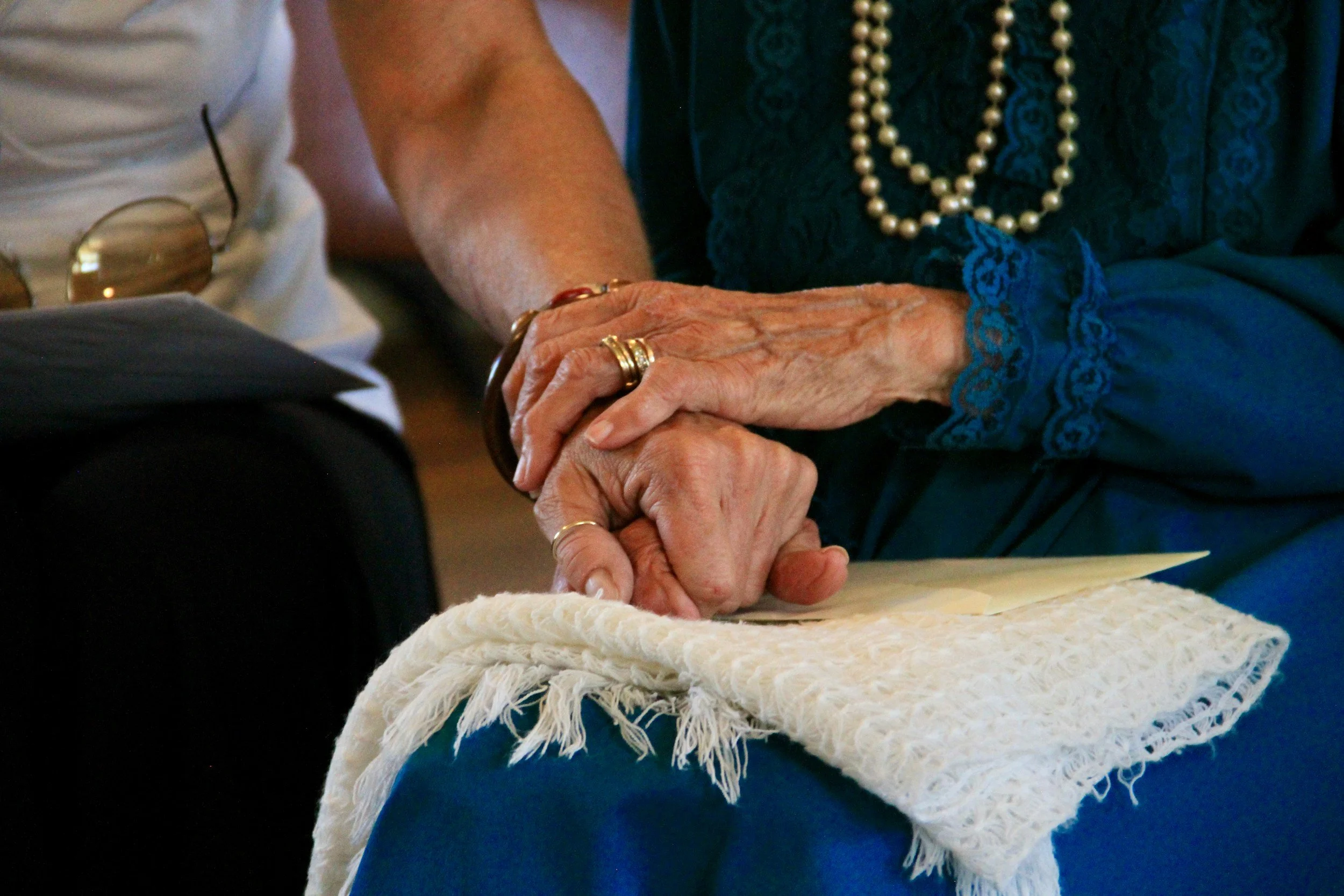
If you're in that position right now, we hope you know that getting support isn't giving up. Finding someone to come in for a few hours isn't failing as a caregiver. It might actually be what allows you to keep showing up for them in the way you want to.
The Caring in Canada report closes with something that feels genuinely hopeful: caregivers are largely united in their belief that some simple but substantive changes could dramatically improve their lives.
Simple and substantive. That's not asking for too much. It's asking for enough support to make something sustainable that already, clearly, comes from love.
If you are a Manitoban family navigating home care right now (or even just starting to think about what the next few years might look like), Care Possible offers a place to start. Learn more here.
The Caring in Canada 2026 report was published by the Canadian Centre for Caregiving Excellence. You can read the full report at canadiancaregiving.org
About Care Possible

Care Possible is a non-profit social enterprise by Manitoba Possible, dedicated to providing affordable, flexible, and preference-based in-home and respite care services. We support seniors, individuals with disabilities, and families using Self and Family Managed care in Manitoba. Our mission is to ensure that every Manitoban who accesses care has an excellent experience.